


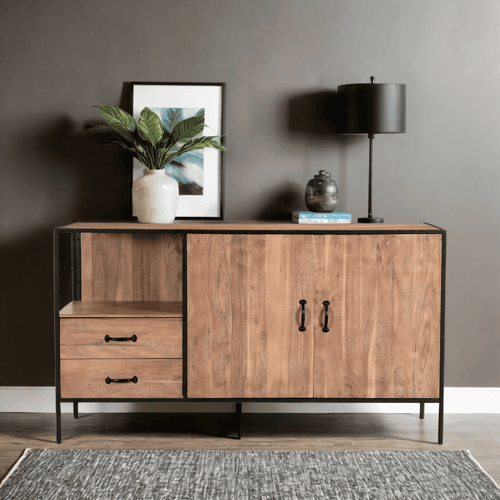

How to Furnish Show Flats and Model Apartments: Furniture That Sells the Space for Property Developers
A practical guide to planning show-flat furniture, covering scale, styling, durability, delivery and post-project reuse to create an inviting space that helps buyers visualise their future home.

In this article
Imagine a developer launching a new residential tower with two beautifully finished sample flats. The sales team is pleased with the footfall. A few weeks later, small complaints begin to surface. Visitors say the master bedroom "feels small" even though it matches the brochure. The dining table looks grand in photographs, but visitors keep brushing past it and avoiding the room. By the second month, the sofa arm has developed a dark patch where hundreds of hands have rested, and two wardrobe handles have loosened from constant use.
None of this is necessarily a design failure. The furniture simply has not been chosen for the specific demands of a show flat. It has been selected to look good in photographs rather than to make rooms feel comfortable at human scale or withstand repeated visitor use.
This guide explains how to plan furniture for a show flat or model apartment so that it supports property sales, stays presentable throughout the sales period and has a sensible life afterwards.
The Direct Answer
Furnish a show flat to help visitors judge the space, not to impress them with the furniture. Choose pieces in proportion to the room so it feels as large as it really is, keep the palette and materials consistent across unit types, limit the number of hero pieces, specify finishes and hardware for heavy visitor handling, plan delivery around lifts and doorways, and decide early what will happen to the furniture when the sales period ends. A show flat that feels spacious, calm and believable sells more convincingly than one that is crowded with statement pieces.
1. Why This Matters
Furniture changes how large a room feels. Pieces that are too big make a room feel cramped. Pieces that are too small make it feel empty and can make the room seem larger than it is, which may lead to disappointment at handover. Honest scale builds trust.
A show flat is a high-wear environment. Unlike a residential home used primarily by its occupants, a show flat may receive many visitors throughout the day. People sit on furniture, touch surfaces and repeatedly open drawers and doors. Wear can accumulate quickly and affect how well the property is presented.
Consistency supports the brand. When buyers compare a one-bedroom and a three-bedroom sample, they read the project's quality from the common thread between them.
Unplanned furniture becomes a cost later. Furniture with no exit plan ends up in storage or being discarded. Planning for what happens next can recover value.
3. Scale and Proportion: Make the Room Honest
Measure first. Draw the room with the furniture to scale before ordering, including door swings, window openings and walkway widths. Our guide on measuring doorways, staircases and lifts covers getting pieces into the building.
Choose the right size, not the smallest size. Choose furniture that reflects realistic everyday use. An undersized sofa may make the room appear more spacious than it will feel when furnished with appropriately sized pieces. Balanced proportions help visitors understand how the space will function.
Keep clear walkways. Visitors should be able to move through the flat comfortably without turning sideways. If a path feels tight, visitors may leave with the impression that the room is cramped.
Show real beds and wardrobes. Use the bed size a typical household would realistically choose, rather than a smaller bed to make the bedroom appear more spacious. Show the wardrobe in its actual size so visitors can judge the available storage and movement space.
Consider visual weight. Slim legs, lighter tones and some open space under furniture can keep a room feeling airy. Chunky, dark pieces can make a room feel heavier.

Hero Pieces and Restraint
A show flat benefits from a few memorable pieces, not many.
-
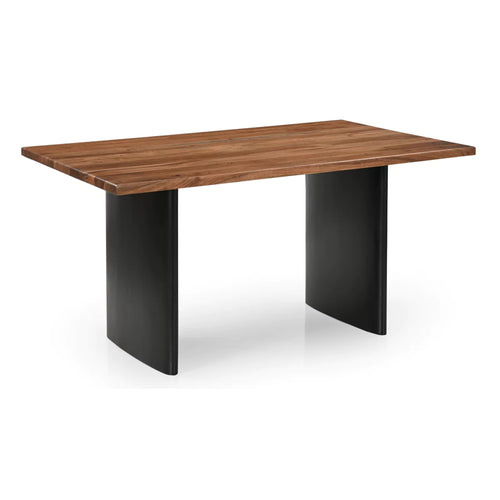
Choose one or two hero pieces per room. This might be a solid wood dining table, a statement headboard or a distinctive console. The rest of the furniture supports them.
-
Keep the palette tight. A restrained range of wood tones and neutrals makes rooms look calm and lets the architecture stand out.
-
Use texture, not clutter. Warm wood, woven textures and simple textiles add richness without crowding the room.
-
Avoid trend-heavy pieces. Furniture that looks dated quickly is awkward to reuse.
Consistency Across Unit Types
Most projects show several sample units. Treat them as a family:
-
Use a common wood tone and finish across units.
-
Repeat hardware styles, such as handles and legs, so the quality feels deliberate.
-
Vary scale by unit, not style. A larger unit should feel like a larger version of the same home, not a different brand.
-
Decide on a standard set of core pieces (bed, sofa, dining table, wardrobe) and a short list of unit-specific additions.
Our guides on [commercial versus residential furniture] and [bulk furniture buying] explain how to specify matching batches across a larger order.
Finishes and Materials That Photograph and Last
Show flats are photographed, filmed and walked through. Finishes should look good in both.
-
Avoid very glossy surfaces that reflect windows and lights in photographs and show fingerprints.
-
Consider mid-tone woods and soft matte or satin finishes. These can create a balanced appearance in photographs, although the visibility of fingerprints, dust and surface wear depends on the finish, wood grain and lighting conditions.
-
Specify finishes for handling. Armrests, table edges, drawer fronts and handles are touched constantly. Ask the maker how the finish copes with repeated handling, cleaning products and sunlight through large windows. Our guide to choosing finishes for commercial environments explains the options.
-
Consider hard-wearing upholstery. Stain-resistant, easy-clean fabrics suit high visitor numbers. Ask for the maker's guidance on cleaning products.
-
Plan for light. Strong sun through large windows can fade finishes and fabrics over a long sales period. Position furniture and use window treatments with this in mind.
Built for Visitors: Durability Details
A show flat is a stress test. Look at:
-
Seating: frames and joints that cope with many people sitting, standing and leaning, including children.
-
Wardrobes and drawers: hinges, runners and handles designed for constant opening.
-
Tables: stable bases and edges that tolerate bumps.
-
Beds: sturdy frames that look good made up and survive visitors sitting on the edge.
-
Hardware: secure fixings and quality fittings. Our guide to metal legs and hardware covers what to ask.
-
Floors: protect new flooring from moving furniture and heavy visitor traffic. See preventing furniture from scratching floors.
Note: Not every piece in a show flat is intended for regular visitor use. Decide in advance which furniture visitors may sit on, open or handle, and communicate this through discreet signage or guidance from the sales team.
Plan the Logistics
-
Delivery and access: Check lift sizes, stair turns and door widths before ordering.
-
Construction timeline: Furniture arrives when the flat is finished, cleaned and ready, not before. Dust and paint can damage finishes. Our lead time guide explains how to build realistic schedules.
-
Installation and styling: Allow time for placement, styling and photography before launch.
-
Replacement parts: Keep essential spare hardware, handles, fittings and touch-up materials available for furniture that receives frequent handling.
-
Maintenance: Agree a daily and weekly cleaning routine with the sales gallery team.
What Happens After the Sales Period?
Decide this early, because it affects what you buy:
-
Reuse: Furniture can move to another sample flat, a sales lounge or a future phase if it is in good condition and has a timeless style.
-
Sale to buyers: Some projects offer sample furniture to buyers. Check terms, condition and any commitments before promising this.
-
Refurbish: Depending on their construction, finish and condition, solid wood furniture may be repaired, refinished or restored for continued use. See when to repair versus replace.
-
Disposal or donation: Plan a responsible route for items that are no longer suitable.

Show Flat Furniture Planning: Common Mistakes vs Better Practices
|
Decision |
Common Approach |
Risk |
Better Approach |
|
Scale |
Smallest furniture to look spacious |
Buyers feel misled at handover |
Realistic sizes with clear walkways |
|
Hero pieces |
Statement items in every room |
Cluttered, hard to reuse |
One or two per room |
|
Finish |
High gloss for impact |
Reflections, visible fingerprints |
Suitable matte or satin finishes |
|
Consistency |
Different style per unit |
Weakens the brand message |
Common palette and hardware |
|
Durability |
Specify as for a home |
Fast wear from visitors |
Specify for repeated handling |
|
After-sales planning |
No plan |
Storage or waste |
Reuse, refurbish or sale plan |
Note: General planning comparison. Adapt to your project, budget and buyer profile.
Expert Furniture Tips
-
Walk the furnished flat as a visitor before opening, and ask someone unfamiliar with it for their honest first impression.
-
Photograph the flat at different times of day to see how light affects finishes and colours.
-
Keep a record of finishes, sizes and suppliers so replacements match later.
-
Use fewer, better pieces and let natural light and space do part of the selling.
-
Make sure display accessories do not make rooms look smaller than they are.
-
Where several sample units exist, test the furniture in the busiest one first.
Common Mistakes
Mistake: Furnishing to impress, not to inform. Visitors need to judge the space, not just admire the furniture. Solution: Use balanced proportions and clear walkways.
Mistake: Using undersized furniture to make rooms look bigger. It can create unrealistic expectations about the available space.
Solution: Use realistic, commonly purchased sizes.
Mistake: Treating each sample unit as a separate project. It weakens the brand impression.
Solution: Set a shared palette, hardware style and standard core pieces.
Mistake: Specifying finishes and hardware without considering visitor use. Show flats receive repeated handling.
Solution: Choose finishes, fittings and upholstery suited to frequent use and easy cleaning.
Mistake: Ordering before the flat is ready. Dust, paint and ongoing construction work can damage finishes. Solution: Align delivery with the completion of finishing works and cleaning.
Mistake: Forgetting access. Large pieces may not fit through lifts, staircases or doorways.
Solution: Measure and plan delivery routes before ordering.
Mistake: No plan for after the sales period. Furniture may end up in storage or go unused.
Solution: Decide on reuse, refurbishment or sale early.
Practical Designer Tip
Before opening a show flat, test every seat, drawer and wardrobe door. Walk through the apartment as a visitor would. Any awkward movement, unstable seating or difficult-to-use hardware can affect a visitor's impression of the space.
Professional Recommendation
Write a one-page furniture brief for each project before any ordering begins: buyer profile, unit types, palette, hero pieces, durability requirements, delivery constraints, installation timeline and post-sales plan. Share it with the designer, the sales team and the furniture maker. This keeps everyone aligned and reduces expensive late changes.
Show Flat Furniture Checklist
-
Defined buyer profile and unit types
-
Drew layouts to scale with walkways and door swings
-
Chose realistic furniture sizes
-
Limited hero pieces and kept a tight palette
-
Set a consistent wood tone, finish and hardware across units
-
Specified suitable finishes for photography and repeated handling
-
Specified durable hardware and easy-clean upholstery
-
Checked lift, stair and doorway access
-
Timed delivery after finishing works and cleaning
-
Planned styling and photography time
-
Agreed a cleaning and maintenance routine
-
Decided on reuse, refurbishment or sale after the sales period
Frequently Asked Questions
What furniture should a show flat have?
Include the core pieces a buyer would expect in each room: a sofa and coffee table, dining set, bed and bedside tables, and wardrobes. Keep the number of extra pieces low so the space feels realistic and open.
Should show flat furniture be smaller than normal?
Show flat furniture should generally reflect realistic everyday sizes. Undersized pieces can make rooms appear more spacious than they will feel in practice and may create unrealistic expectations. Choose appropriately sized furniture with enough clearance for comfortable movement.
What finishes work best in a show flat?
Mid-tone woods with matte or satin finishes can create a balanced appearance in photographs. However, how well a finish hides fingerprints and light wear depends on its formulation, wood grain and lighting. Ask the maker how the finish handles repeated touching and cleaning.
How do I keep show flat furniture looking new?
Choose durable finishes and hardware, protect floors, set a regular cleaning routine, and inspect high-touch areas regularly. Keep suitable touch-up materials and replacement fittings available, and decide which items visitors can sit on or handle.
Can show flat furniture be reused or sold afterwards?
Often yes. Pieces in good condition can move to other sample units or a sales lounge, or be refurbished for continued use. If you plan to offer them to buyers, establish the terms and condition standards in advance.
Should every sample unit have the same furniture style?
The overall style should remain consistent, with variations in scale and layout to suit different unit types. A shared palette, finish and hardware style across units supports the project's brand identity.
Conclusion
A good show flat helps buyers picture themselves living in the space. The furniture does this through honest scale, calm and consistent styling, a few well-chosen hero pieces and durability that holds up to repeated visitor use. Planning delivery, maintenance and the furniture's afterlife from the beginning saves costs and avoids last-minute compromises. RadiantFurn's Trade Program supports interior designers with custom wooden furniture solutions that align with project requirements, furniture selection and finish specifications.

Written by the RadiantFurn team
We have manufactured solid wood furniture in Jodhpur since 2008 for homes, hotels, restaurants and offices. Our guides come from what we see on the workshop floor and on project sites.
Shop the look
Furniture from this guide
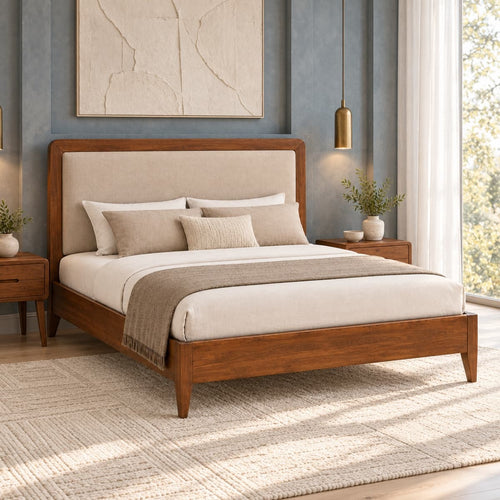
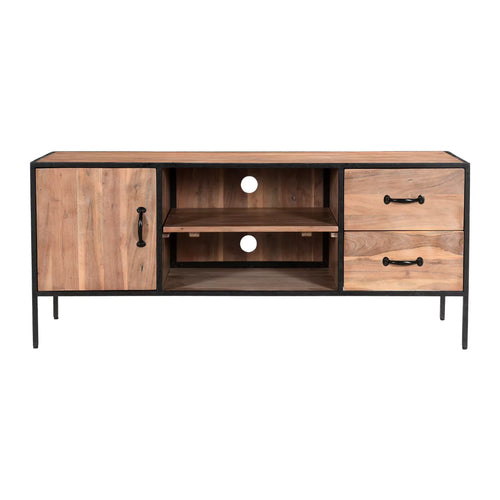
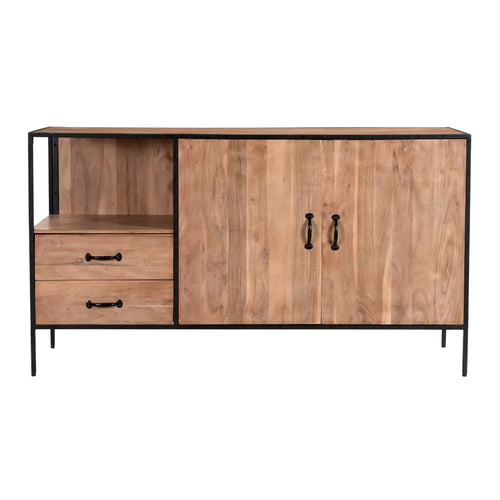
Read next
More guides from the Journal

Outdoor and Semi-Outdoor Wooden Furniture for Resorts: What Survives Sun, Rain and Humidity
Learn how to choose outdoor and semi-outdoor wooden furniture for resorts, with practical guidance on timber, construction, finishes, hardware and maintenance for...
Read article
How to Plan Wooden Furniture for Boutique Retail Stores: Display, Storage and Customer Flow
Learn how thoughtful furniture planning can make a small boutique feel more spacious, organised and easier to navigate.
Read article
How to Choose Furniture for Co-Living Spaces: Shared Storage, Durability and Privacy
This guide explains how to choose durable co-living furniture with smart storage, better privacy and practical designs that simplify maintenance and room...
Read article