



How to Plan a Phased Hotel Refurbishment: Furnishing Rooms in Batches Without Closing the Property
Discover how to refurbish hotel rooms in phases without closing the property, from pilot room approvals and batch planning to furniture deliveries, consistent finishes and quality control, while minimising guest disruption.

In this article
Imagine a hotel owner planning to refurbish all guest rooms without closing the property. The work is divided into three batches. The first batch looked excellent. However, by the third batch, the wood finish was slightly different, and the revised bedside tables did not match the earlier pieces. A furniture delivery also arrived during a large group check-in when the lift was already needed. Guests in nearby rooms experienced noise disruption, while housekeeping struggled to identify which rooms were ready.
These problems often result from poor scheduling, coordination and inconsistent specifications. They are common in phased projects because mistakes can carry forward from one batch to the next if not addressed early.
This guide explains how to plan a phased hotel refurbishment, maintain furniture consistency across batches, schedule deliveries around guests and return rooms to service with minimal disruption.
The Direct Answer
Treat a phased hotel refurbishment as a single coordinated project, with approved furniture specifications for each room type followed consistently across all batches. Start by approving a pilot room and finalising the specification in writing. Then, divide rooms into manageable batches based on occupancy, lift access and housekeeping capacity.
Schedule deliveries and installation outside peak guest movement hours. Record finishes and batch references to maintain consistency across subsequent orders. Inspect and sign off each batch before beginning the next phase.
Why This Matters
-
Revenue continues. Keeping part of the property open helps maintain revenue while refurbishment work progresses. Rooms that remain out of service for too long can result in lost income.
-
Consistency is visible. Guests expect a consistent experience across room categories. Mismatched furniture and finishes can negatively affect the property's appearance and brand image.
-
Operations are shared. Lifts, corridors, housekeeping and front-desk teams must accommodate both guests and refurbishment activities.
-
Early mistakes multiply. Errors in the furniture specification or installation can carry forward into subsequent batches unless identified and resolved at the pilot stage.
Think in Phases, Not Orders
|
Phase |
What Happens |
Key Decisions |
|
Brief and audit |
Review existing rooms, room types and furniture condition |
Which rooms to refurbish and which pieces to keep or repair |
|
Specification |
Define the design, finishes, fabrics and hardware |
One written specification per room type across all batches |
|
Pilot room |
Furnish and test one complete room |
Approve comfort, fit, finish and housekeeping access |
|
Batch planning |
Divide rooms into manageable groups |
Batch size, floors, room sequence and timing |
|
Production and delivery |
Manufacture, deliver and install furniture in batches |
Lift access, delivery windows and on-site storage |
|
Handover and snagging |
Inspect furniture, resolve defects and release rooms for bookings |
Sign-off process, defect reporting and housekeeping readiness |
|
Review |
Evaluate each completed batch |
Improvements required before the next batch |
Use this framework as a starting point for your hotel room refurbishment schedule. Property layouts, occupancy patterns and regulations vary, so confirm specific requirements with your project manager, designer and relevant local authorities. For detailed procurement planning, refer to our guide on how to plan a bulk furniture order for hotels in India.
Start With a Clear Brief and Audit
Before choosing furniture, agree on the key refurbishment requirements with hotel owners, operations teams and housekeeping staff.
-
Room types and counts. List each room type and the number of rooms in each category.
-
What stays and what goes. Decide which furniture needs to be replaced, repaired or reused. Our guide on when to repair versus replace commercial furniture can help.
-
Budget allocation. Set a furniture budget for each refurbishment phase, including delivery, installation, storage and contingency costs.
-
Occupancy pattern. Identify quieter periods when more rooms can be taken out of service without significantly affecting revenue.
-
Access and constraints. Check lift capacity, corridor widths, delivery bays and any noise or time restrictions.
-
Approval responsibility. Assign one decision-maker to approve furniture samples, specification changes and final batch handovers.
Lock the Specification Before the First Batch
A successful phased hotel refurbishment requires every furniture batch to follow the same approved specifications for each room type.
-
One written specification per room type. Include frame construction, fixings, finishes, fabrics, hardware and dimensions. Our hotel bed and headboard specification guide explains the level of detail required.
-
Finish and fabric references. Record finish, fabric and batch references. Wood finishes and fabric dye lots can vary between production runs, so discuss how consistency will be maintained. See our guide to choosing furniture finishes for different commercial environments.
-
Approved reference samples. Keep physical samples of wood finishes, upholstery fabrics and hardware to compare against furniture delivered in subsequent batches.
-
Reserve materials. Ask the manufacturer whether finishing materials or fabrics can be reserved for later batches, and confirm the arrangements in writing.
-
Avoid mid-project changes. Late design changes can affect consistency across batches. If a change is unavoidable, test and approve it in one room before applying it widely.
-
Standardise where possible. Maintaining a common design language across room types makes it easier to achieve consistency throughout the refurbishment.
The Pilot Room: Test Everything Once
A pilot room helps identify design, installation and operational issues before bulk furniture production begins, when adjustments are easier and less expensive. Our guide to furniture mockups versus final pieces explains why testing matters.
-
Furnish one complete room with the actual furniture, mattress, fabrics and lighting.
-
Check comfort, dimensions, clearances and how the furniture fits against walls and floors.
-
Ask housekeeping staff to clean and prepare the room, and invite front-desk staff to review it.
-
Test the delivery and installation process, including furniture movement through lifts and corridors and the time required for assembly.
-
Photograph the completed room and document every change before finalising the furniture specification.
If the hotel has significantly different room types, consider approving a separate pilot room for each major room category before bulk production begins.
Plan the Batches
Effective batch planning balances hotel revenue, labour availability and furniture delivery logistics.
-
Group by floor or wing. This keeps noise and refurbishment traffic in one area while simplifying housekeeping and access.
-
Match batch size to capacity. Consider how many rooms your installation team, housekeeping staff and available lifts can handle at once.
-
Organise by room type. Where practical, start with the most common room type to establish a consistent installation process.
-
Allow buffer time. Leave sufficient time for unexpected delays, defect resolution and re-inspection before rooms return to service.
-
Phase public areas separately. Lobbies and corridors affect all guests, so plan their refurbishment carefully to minimise disruption. See our guide to hotel lobby furniture, lighting and layout planning.
- Heritage and special properties. Rooms with unusual layouts or period details may require additional planning and installation time. Our guide to furnishing a heritage hotel or haveli in Rajasthan covers some of these considerations.

Delivery, Installation and Site Logistics
-
Delivery windows. Schedule furniture deliveries outside peak check-in and check-out hours, and coordinate access with the front desk.
-
Lift and corridor use. Reserve a service lift or use a dedicated delivery route where possible. See our guide to measuring doorways, staircases and lifts.
-
On-site storage. Arrange a designated storage area for furniture awaiting installation. Keep corridors, fire exits and emergency access routes clear.
-
Batch-wise furniture labelling. Label furniture packages by floor, room number, room type and batch reference to reduce handling and installation errors.
-
Protection. Use floor and wall protection when moving furniture, and avoid dragging pieces across surfaces. Our floor-protection guide covers glides and floor care.
-
Removal of old furniture. Plan how and when existing furniture will be removed from the property and where it will be temporarily stored.
-
Noise and guest communication. Establish suitable working hours and inform guests in nearby rooms about potential disruption.
-
Guest and work area separation. Where possible, separate active refurbishment areas from occupied guest rooms to minimise noise, dust and disruption while maintaining safe access.
-
Lead times. Our lead time guide explains how to schedule furniture production around your refurbishment batch plan.
Quality Control and Handover
-
Inspect on arrival. Check furniture in each batch against the approved pilot room, specifications and reference samples before installation.
-
Inspect every room for defects. Use a standard snagging checklist covering fit, finish, hardware, stability, fabrics and cleanliness.
-
Establish a defect reporting process. Define how problems are reported, who is responsible for resolving them and the expected completion timeline.
-
Approve rooms before reopening. Return rooms to service only after furniture installation, defect resolution, housekeeping and necessary operational and safety checks are complete. Ensure housekeeping and front-desk teams are informed.
-
Review each batch. Record what worked well and identify improvements before the next furniture delivery.
-
Keep records. Store furniture specifications, approvals, finish references and inspection records for future repairs and matching orders.

Expert Furniture Tips
-
Test the furniture delivery route with a suitable trolley before the first batch arrives.
-
Keep a reference sample of each finish and fabric on site to compare against later deliveries.
-
Plan spare furniture, hardware and upholstery materials based on expected wear, replacement lead times and available storage space.
-
Photograph every room after handover to document its condition and identify any future differences.
-
Ask housekeeping staff for feedback after the first batch, as they often identify practical issues that may otherwise go unnoticed.
Common Mistakes
Mistake: Skipping the pilot room.
Solution: Furnish and test one complete room before approving bulk production.
Mistake: Changing the specification between batches.
Solution: Finalise the specification in writing and test any necessary changes before applying them.
Mistake: Planning batches that are too large.
Solution: Determine batch sizes based on lift access, installation capacity and housekeeping availability.
Mistake: Scheduling deliveries during peak guest hours.
Solution: Agree on suitable delivery windows and access routes with hotel operations teams.
Mistake: Keeping no records of finishes and batches.
Solution: Maintain finish references, batch records and physical samples for future matching orders.
Mistake: Ordering furniture without checking delivery access.
Solution: Confirm furniture dimensions, packaging sizes, lift capacity and corridor clearances before approving production.
Mistake: Releasing rooms before completing inspections.
Solution: Inspect and sign off each room using a standard snagging checklist before returning it to service.
Designer Tip
Before finalising the pilot room approval, invite the housekeeping supervisor and a front-desk team member to spend ten minutes in it and describe what they would change. Small issues, such as a drawer that catches or limited clearance beside the bed, are much easier and less expensive to resolve before the first batch than after the third.
Professional Recommendation
Prepare a one-page hotel furniture refurbishment plan covering room types and quantities, approved pilot room specifications, batch schedules, delivery windows, access routes, storage arrangements, inspection procedures, finish references and spare furniture requirements.
Share the plan with your furniture manufacturer and project manager. Request written confirmation of furniture specifications, production lead times and delivery schedules that align with your phased refurbishment plan.
Phased Refurbishment Checklist
-
Defined room types, quantities and existing furniture condition
-
Assigned one decision-maker for approvals and sign-off
-
Allocated budgets and contingency costs for each phase
-
Finalised written furniture specifications for every room type
-
Recorded finish, fabric and batch references
-
Approved a fully furnished pilot room
-
Divided rooms into batches based on lift, installation and housekeeping capacity
-
Agreed on delivery windows, access routes and on-site storage
-
Confirmed batch-wise furniture labelling and identification
-
Planned old furniture removal and floor and wall protection
-
Established a snagging checklist and defect reporting process
-
Planned spare furniture and retained physical reference samples
-
Established room readiness approval before reopening
Planning a phased hotel refurbishment without closing your property? Share your room requirements, furniture specifications, batch plan and project timeline with RadiantFurn to discuss custom and bulk hotel furniture options.
Frequently Asked Questions
How do I plan a phased hotel refurbishment?
Finalise furniture specifications, approve a pilot room and divide rooms into manageable batches based on occupancy, lift access and housekeeping capacity. Schedule deliveries around hotel operations and inspect each batch before starting the next.
Why is a pilot room important?
A pilot room helps test furniture dimensions, comfort, finishes, installation and housekeeping access before bulk production begins, when adjustments are easier and less expensive.
How do I keep finishes consistent across batches?
Record finish, fabric and batch references, retain approved physical samples and maintain consistent furniture specifications across all production batches.
How should deliveries be scheduled in an operating hotel?
Schedule deliveries outside peak check-in and check-out hours, reserve service lifts or delivery routes, arrange temporary storage and protect floors and walls during furniture movement.
Can hotel refurbishment furniture be ordered in bulk or customised?
Yes. Hotels can discuss bulk quantities, custom dimensions, finishes and phased furniture requirements with their manufacturer. Confirm specifications, production lead times and delivery schedules in writing.
Can a hotel be refurbished without closing completely?
Yes. Hotels can remain operational by refurbishing rooms in manageable batches, separating work areas from occupied rooms and coordinating refurbishment activities around guests, provided the work can be carried out safely.
How many hotel rooms should be refurbished at a time?
The ideal batch size depends on occupancy levels, installation capacity, lift access, housekeeping availability and the number of rooms the hotel can temporarily take out of service.
Conclusion
A successful phased hotel refurbishment requires consistent furniture specifications, careful batch planning and effective coordination between hotel operations, furniture manufacturers and installation teams.
Approving a pilot room, maintaining finish references, scheduling deliveries around guests and inspecting each batch helps minimise operational disruption and maintain a consistent guest experience. Keeping detailed records also makes future repairs and matching furniture orders easier.
Whether you are upgrading selected guest rooms or planning a complete property refurbishment, RadiantFurn offers custom and bulk hotel furniture options for hotel owners, project managers and interior designers.

Written by the RadiantFurn team
We have manufactured solid wood furniture in Jodhpur since 2008 for homes, hotels, restaurants and offices. Our guides come from what we see on the workshop floor and on project sites.
Shop the look
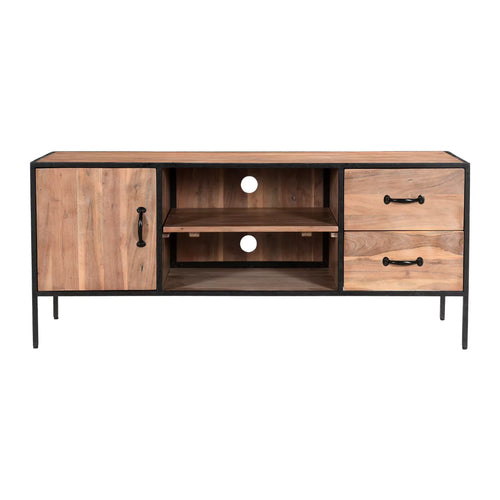
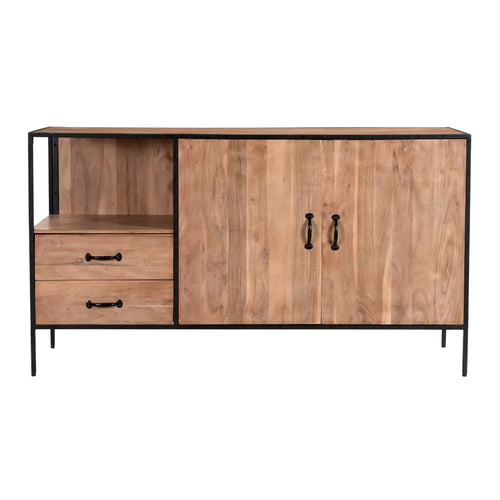
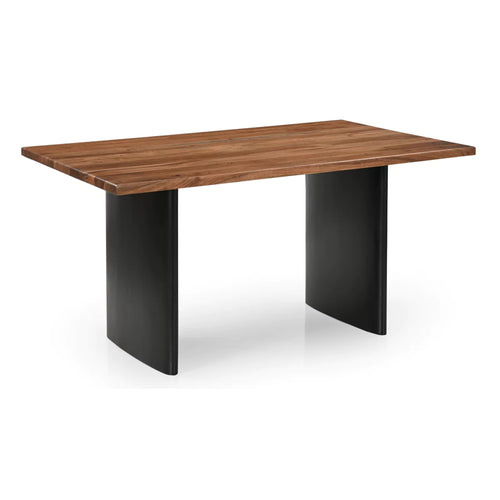
Furniture from this guide

Read next
More guides from the Journal
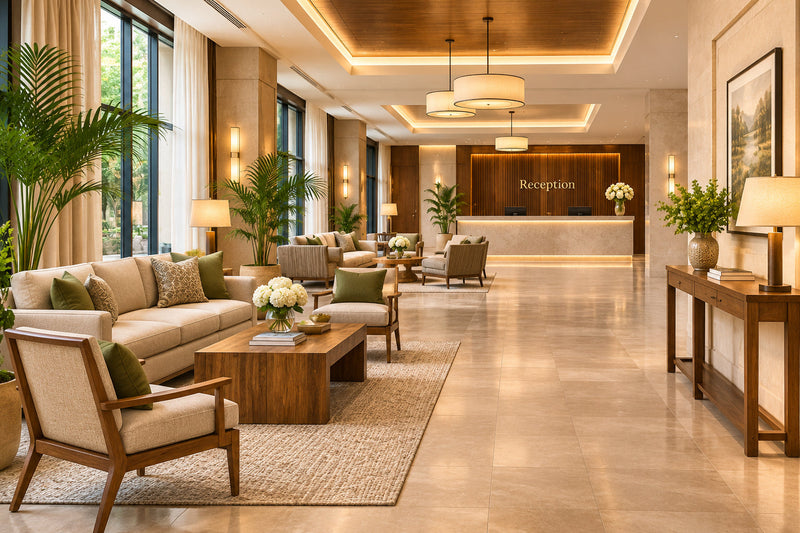
Hotel Lobby and Reception Furniture: Seating, Consoles and First-Impression Planning
Learn how to plan hotel lobby and reception furniture, from comfortable seating and console tables to clear guest circulation, durable finishes, accessibility...
Read article
Residential Clubhouse Furniture Planning: Designing Functional Lounges, Recreation and Social Spaces
A residential clubhouse may look beautiful when a new apartment building opens, but everyday use can reveal furniture planning problems. Lounge seats...
Read article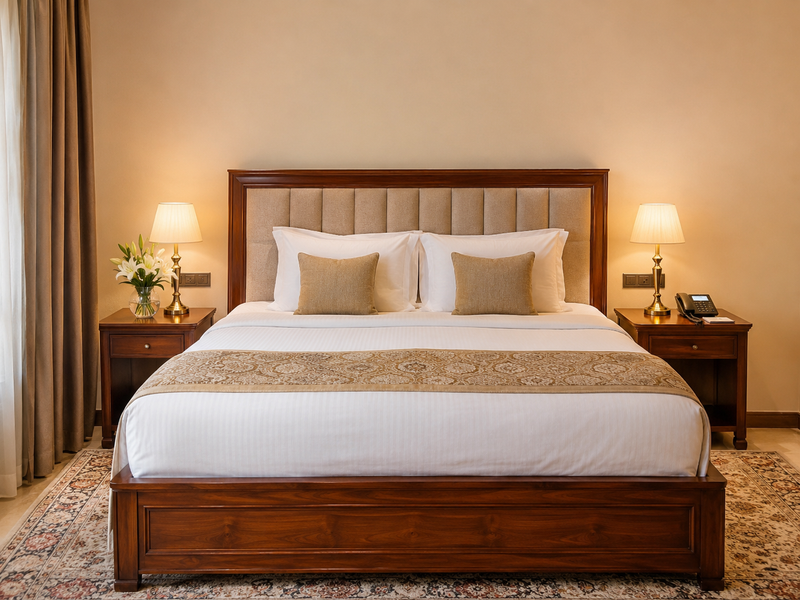
How to Specify Hotel Beds, Headboards and Bedside Tables for Guest Rooms
Learn how to specify hotel beds, headboards and bedside tables for guest rooms, covering durability, wall protection, housekeeping access and sample approval.
Read article